Morocco’s Imperial Cities: Guide to Marrakech, Fes & Meknes

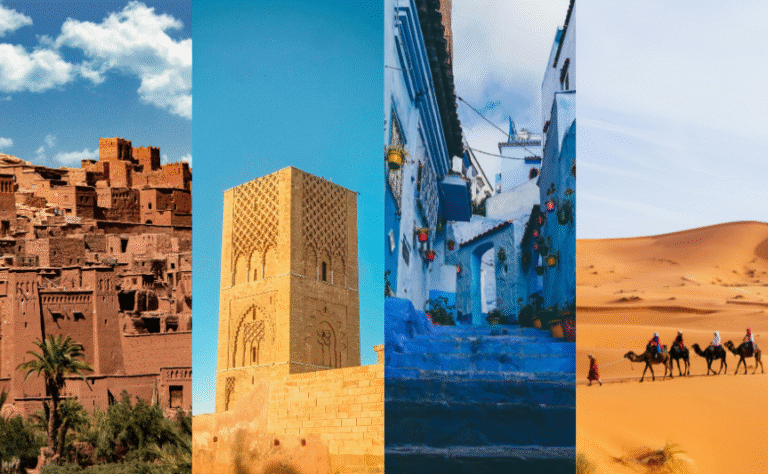
Are you ready to explore Morocco and dive into its rich history and vibrant culture? Marrakech, Fes, and Meknes stand out as the premier Moroccan vacation spots. They offer a journey into a world filled with colors, textures, and scents.
In Marrakech, the streets buzz with life, blending African, Arab, and European cultures uniquely. Fes is a city deeply rooted in tradition, with its ancient medina and historic sites. Meknes, with its Roman ruins and imperial buildings, is a treasure trove of history and culture.
This guide will help you navigate these incredible cities like a local. You’ll be able to fully experience the sights, sounds, and experiences that make Morocco unforgettable.
Table of Contents
The Allure of Morocco’s Imperial Cities
Exploring Morocco reveals its Imperial Cities as the core of its heritage. These cities, filled with history and culture, offer a unique blend of traditional charm and modern vibrancy. They are a must-see for anyone interested in Morocco’s rich past.
Historical Significance of Imperial Cities
The Imperial Cities of Morocco, such as Marrakech, Fes, and Meknes, hold great historical significance. They showcase the country’s rich historical past. Each city has its own unique story, shaped by various dynasties and cultural influences. This makes them a fascinating study in architectural and cultural heritage.
What Makes These Cities Unique
These cities stand out due to their vibrant cultural tapestry and the mix of Arab, Berber, and French influences. Marrakech’s bustling souks, Fes’s ancient medinas, and Meknes’s grand architecture offer distinct experiences. When planning your Morocco itinerary suggestions, these cities should be at the top of your list. They provide a wealth of things to do in Morocco and best places to visit in Morocco.
Visiting these Imperial Cities is like stepping back in time. Their historical landmarks, traditional riads, and local cuisine offer an immersive experience. Whether exploring souks, visiting historical sites, or simply enjoying the atmosphere, you’ll be captivated by Morocco’s Imperial Cities.
Top Morocco Travel Destinations: The Imperial Cities
Planning a Morocco vacation? Knowing the Imperial Cities is key. Morocco is famous for its four Imperial Cities: Marrakech, Fes, Meknes, and Rabat. Each city has its own unique character and historical importance.
The Four Imperial Cities Overview
Morocco’s Imperial Cities showcase the country’s rich history and cultural variety. Here’s a quick look:
- Marrakech: Known as the “Red City,” it’s famous for its vibrant souks and the majestic Bahia Palace.
- Fes: The cultural heart of Morocco, Fes is home to the ancient Al-Qarawiyyin University and Mosque.
- Meknes: Founded by Moulay Ismail, Meknes is known for its grand architecture, including the Bab Mansour gate.
- Rabat: The capital city, Rabat, is recognized for its historical sites like the Kasbah of the Udayas.
Why Focus on Marrakech, Fes, and Meknes
Marrakech, Fes, and Meknes are top choices for travelers. They offer vibrant cultural scenes and historical landmarks. Visitors can explore Marrakech’s bustling souks, navigate Fes’s ancient medina, and admire Meknes’s grand architecture.
By focusing on these cities, travelers get a full Morocco experience. It’s a well-rounded and unforgettable vacation.
Planning Your Visit to Morocco
As you prepare for your Moroccan adventure, understanding the essentials of planning your trip is key. Morocco’s imperial cities are a treasure trove of history, culture, and natural beauty. With some planning, you can experience the best of what they have to offer.
Best Time to Visit Morocco
The best time to visit Morocco is during the spring (March to May) and autumn (September to November). The weather is mild and pleasant during these periods. These times are ideal for exploring the imperial cities without the harsh conditions of summer or the chill of winter. Avoid visiting during the peak summer months if you’re not accustomed to high temperatures.
Visa Requirements for American Travelers
For American travelers, Morocco offers a relatively straightforward visa process. U.S. citizens can enter Morocco without a visa for stays up to 90 days for tourism purposes. Ensure your passport is valid for at least six months beyond your planned departure date from Morocco.
Transportation Between Cities
Traveling between Morocco’s imperial cities is relatively easy, with options ranging from trains to buses and private transfers. The train network, operated by ONCF, is efficient and connects major cities like Marrakech, Fes, and Meknes. You can book tickets in advance through the ONCF website or at train stations. Consider the time and convenience when choosing your transportation method.
Marrakech: The Red City
Upon entering Marrakech, you’re greeted by a vibrant tapestry of colors, sounds, and scents. This ancient Moroccan city, steeped in history and culture, offers an experience you won’t soon forget.
History and Character of Marrakech
Marrakech, established in the 11th century, has played a key role in both culture and politics. Its labyrinthine medina, lively souks, and grand architecture showcase a mix of Arab, Berber, and French styles. Exploring its narrow alleys uncovers the city’s distinct allure.
Exploring Jemaa el-Fnaa Square
Jemaa el-Fnaa Square is Marrakech’s pulsating core, a place where the city’s energy is palpable. By day, it’s a bustling market with vendors selling everything from fresh produce to handicrafts. At night, it transforms into a lively scene of food stalls, musicians, and performers, creating an electrifying atmosphere that attracts global visitors.
The Magnificent Bahia Palace and Koutoubia Mosque
Marrakech boasts architectural wonders, with the Bahia Palace and Koutoubia Mosque being highlights. The Bahia Palace is celebrated for its stunning tile work, carved wood, and tranquil courtyards. The Koutoubia Mosque, with its imposing minaret, is a city landmark, visible from many spots, reflecting Marrakech’s deep spiritual roots.
Top Things to Do in Marrakech
In Marrakech, you’ll find a wealth of activities, from bustling markets to tranquil gardens. The city’s mix of traditional and modern spots appeals to everyone. It’s a place where history meets modernity, creating a unique experience for all.
Shopping in the Colorful Souks
The souks of Marrakech are famous for their handicrafts, spices, and textiles. Walking through the narrow alleys, you’ll be greeted by the smells of local food and the sounds of street performers. Remember to haggle to secure the best prices.
Majorelle Garden and YSL Museum
A trip to Marrakech isn’t complete without seeing the Majorelle Garden. This botanical wonder was created by French artist Jacques Majorelle. It also houses the Yves Saint Laurent Museum, celebrating the designer’s life and work. Wander the vibrant paths and take in the stunning art and architecture.
Day Trips to Atlas Mountains and Essaouira
For a different view, take a day trip to the Atlas Mountains. Here, you can hike through villages and enjoy the natural beauty. Or, head to Essaouira, a coastal town known for its laid-back vibe, beautiful beaches, and arts scene.
Fes: Morocco’s Cultural Capital
Stepping into Fes, you’re enveloped in a world of ancient traditions and cultural richness. This city stands as the pinnacle of Morocco’s heritage. Its well-preserved architecture and vibrant cultural scene are a testament to its significance.
History and Significance of Fes
Fes, established in the 8th century, is a cornerstone of Morocco’s cultural landscape. Its rich history is evident in its architecture, cuisine, and the warm hospitality of its residents. Beyond its historical landmarks, Fes plays a critical role in shaping Moroccan identity.
Navigating the Ancient Medina
The ancient medina of Fes is a labyrinth of narrow streets and alleys, teeming with hidden gems. As you explore, you’ll be greeted by a kaleidoscope of colors and scents. The souks and local cuisine offer a feast for the senses.
The Al-Qarawiyyin University and Mosque
The Al-Qarawiyyin University and Mosque, established in 859 AD, is a beacon of learning and Islamic architecture. This historic site remains a hub of education and spirituality, drawing visitors from across the globe.
Fes is a city where tradition and modernity coexist seamlessly. It offers a cultural experience that is both enriching and unforgettable.
Must-See Attractions in Fes
Exploring Fes reveals a wealth of historical and cultural landmarks. This ancient city is alive with tradition and history. It offers a unique experience for every traveler.
The Famous Tanneries
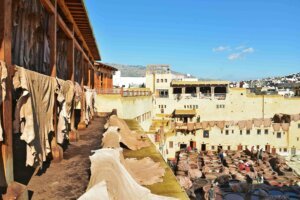
The tanneries of Fes stand as iconic symbols of the city’s traditional crafts. Here, you can observe the ancient leather production process. This craft has been passed down through generations. The tanneries are a testament to Fes’s historical significance and a place where artisans create beautiful leather goods.
Bou Inania Madrasa and Religious Sites
Bou Inania Madrasa is a significant religious school in Fes, celebrated for its detailed architecture and historical value. Alongside other religious sites, it highlights Fes’s spiritual heritage. It also showcases the importance of Islamic architecture in the region.
Day Trips to Volubilis and Moulay Idriss
Day trips to Volubilis and Moulay Idriss offer a deeper dive into Morocco’s history. Volubilis, a UNESCO World Heritage site, boasts ancient Roman ruins. Moulay Idriss, a sacred town, houses the tomb of a significant Islamic saint. Both places offer a unique perspective on Morocco’s historical and cultural landscape.
Meknes: The Imperial City of Moulay Ismail
Meknes, once Morocco’s capital under Moulay Ismail, captures the essence of the country’s imperial past. As you explore Meknes, you step into a realm of grandeur and historical importance. Here, Moulay Ismail’s legacy remains vivid.
History and Character of Meknes
Meknes has a storied past, dating back to the 11th century. Under Moulay Ismail in the 17th century, it transformed into a symbol of Morocco’s imperial might. The city’s architecture, with its grand gates, majestic palaces, and expansive gardens, defines its character.
The Grand Bab Mansour Gate
The Grand Bab Mansour Gate stands as Meknes’ iconic landmark, marking the entrance to the old quarter. This monumental gate reflects the city’s imperial heritage, adorned with detailed tile work and ornate designs. It showcases the era’s craftsmanship.
The Mausoleum of Moulay Ismail and Royal Stables
The Mausoleum of Moulay Ismail offers a glimpse into the sultan’s life and impact on Meknes. Adjacent to it, the Royal Stables, once home to the sultan’s horses, demonstrate the city’s former splendor. Their vaulted ceilings and robust architecture are a testament to its grandeur.
Exploring these sites deepens your understanding of Meknes’ historical importance and Moulay Ismail’s lasting legacy.
Moroccan Cuisine and Dining Experiences
Exploring Morocco’s imperial cities reveals a culinary world bursting with flavor. Moroccan cuisine, a mix of Berber, Arab, Mediterranean, and African flavors, offers a unique experience for visitors.
Traditional Dishes to Try in Each City
In Marrakech, don’t miss the tagines, slow-cooked stews cooked in earthenware pots. Fes is famous for its couscous, served on Fridays. Meknes is known for its street food, including grilled meats and pastries.
Tagines and Couscous Variations
Moroccan cuisine offers a variety of tagines and couscous dishes. Enjoy chicken tagine with preserved lemons, beef tagine with prunes, or vegetable couscous. Each region adds its own twist to these dishes.
Street Food and Sweets
Street food is a must-try. Sample msemen, a thin, folded pancake, or b’stilla, a savory pie. Indulge in baklava and ma’amoul, traditional pastries.
Dining Etiquette and Food Experiences
Understanding local dining etiquette can enrich your experience. In Morocco, mealtimes are sacred, and hospitality is key.
Mint Tea Ceremony
The mint tea ceremony is a cornerstone of Moroccan culture. It symbolizes hospitality and friendship. You’ll often be offered mint tea in local homes or riads.
Restaurant Recommendations
For an authentic experience, visit local eateries and riads. Le Grand Café in Marrakech and Dar Roumana in Fes are highly recommended. Always check local reviews for top dining spots.
Accommodations in Morocco’s Imperial Cities
Morocco’s Imperial Cities, including Marrakech, Fes, and Meknes, cater to all travelers. Whether you seek luxury or budget-friendly stays, the right choice can elevate your visit. Each city offers unique accommodations that promise unforgettable experiences.
Traditional Riads: The Authentic Experience
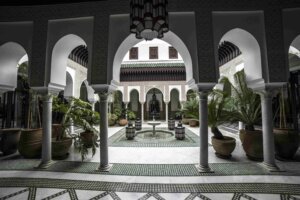
Traditional riads provide a genuine Moroccan experience. These homes, with their interior gardens or courtyards, offer a peaceful retreat. Decorated with traditional craftsmanship, they allow you to dive deep into local culture and enjoy their serene beauty.
Recommended Stays in Each City
Each Imperial City boasts its own range of accommodations, from luxury to budget-friendly options.
Luxury Options
For a high-end experience, consider the Riad Yacout in Marrakech. It’s renowned for its elegant decor and top-notch service. In Fes, the Dar Roumana combines traditional architecture with modern amenities. Meknes’ Riad Bahia offers a luxurious stay in a beautifully restored riad.
Budget-Friendly Choices
Travelers on a budget should look at the Hotel Ali in Marrakech. It offers affordable rates without sacrificing comfort. In Fes, the Hotel Meryam provides a traditional riad experience at a lower cost. Meknes’ Hotel Rif is a simple yet clean and comfortable option.
Choosing the right accommodation in Morocco’s Imperial Cities can greatly enhance your travel experience. You’ll enjoy the rich local culture, history, and hospitality these destinations offer.
Practical Travel Tips for American Visitors
As you prepare for your journey to Morocco’s Imperial Cities, it’s essential to be aware of some practical travel tips. These will make your trip smoother and more enjoyable. Understanding local customs and practices will help you navigate these vibrant cities with confidence.
Safety and Cultural Etiquette
Safety and Cultural Etiquette in Morocco are important for every traveler to keep in mind. Morocco is generally a safe country, but it’s wise to take normal precautions. Protect yourself and your belongings, even in crowded areas. Be mindful of your surroundings and keep an eye on your belongings. Respecting local customs is also key; for example, dressing modestly and removing your shoes when entering mosques or private homes.
Dress Code and Respectful Behavior
Dressing modestly is key to respecting Moroccan culture. Cover your shoulders and knees when visiting mosques or rural areas. Public displays of affection are generally frowned upon, so it’s best to be discreet. Learning a few basic Arabic phrases, like “hello” (Marhaba) and “thank you” (Shukran), can also show respect.
Bargaining in Markets and Tipping Customs
Bargaining is an integral part of shopping in Morocco’s souks. Start with a lower offer and work your way up to a mutually agreeable price. When it comes to tipping, Moroccans appreciate gratuities for good service. Aim to tip around 10% in restaurants and cafes, and adjust according to the quality of service.
Conclusion: The Timeless Charm of Morocco’s Imperial Cities
Exploring Morocco’s Imperial Cities reveals a world where history, culture, and beauty merge. Marrakech, Fes, and Meknes are not just travel spots; they are gateways to Morocco’s rich heritage. Each city offers a unique blend of vibrant souks, majestic architecture, serene gardens, and delicious cuisine.
Every experience in these cities showcases Morocco’s unique allure. Whether you’re captivated by the bustling Jemaa el-Fnaa square, the ancient medinas, or the serene palaces, there’s something for every traveler. Planning your Morocco vacation? Dive into the local culture, try traditional dishes, and explore the landscapes. These imperial cities promise a memorable journey with their history, landscapes, and hospitality.
Start your journey to Morocco’s Imperial Cities and uncover the enchantment waiting for you in these magical places.