Morocco Travel Guide: Uncover the Magic of This Destination
Morocco Travel Guide invites you to Imagine a land where ancient traditions meet vibrant cultures. This creates a unique Moroccan experience unlike any other.
With this Morocco Travel Guide, you’re about to explore a country that mixes Berber nomadic traditions, Islamic and Arabic history, and French influence. This rich cultural heritage is ready for you to discover. We’ll share expert tips to make your trip unforgettable.
From the lively markets to the peaceful deserts, our Morocco travel guide will show you Morocco’s magic. We’ll give you the best vacation ideas for a memorable Moroccan adventure.
Table of Contents
Planning Your Moroccan Adventure
Starting a Moroccan adventure is thrilling. With good planning, it can be unforgettable. Morocco is known for its vibrant culture, rich history, and varied landscapes. Our Morocco Travel Guide ensures a unique travel experience for everyone.
Best Time to Visit Morocco
The best times to visit Morocco are spring (March to May) and fall (September to November). As this Morocco Travel Guide explains, the weather is mild and perfect for exploring the country’s different areas.
Seasonal Weather Patterns
Morocco’s weather changes a lot from north to south and from coast to mountains. The spring season has mild temperatures and beautiful landscapes. Autumn offers comfortable weather with warm days and cool nights.
Peak vs. Off-Peak Travel Periods
- Peak season (June to August and December) has big crowds and higher prices.
- Off-peak season (usually summer in the desert or winter in the mountains) is quieter. But, you need to plan more because of extreme weather.
Required Documents and Visas
Make sure you have a valid passport with at least six months’ validity before traveling to Morocco. Depending on where you’re from, you might need a visa. Check with the Moroccan embassy or consulate in your country for the latest info.
Creating Your Morocco Itinerary
Planning your Morocco trip is key. Think about visiting places like Marrakech, Fes, and Chefchaouen. Also, consider experiences like the Sahara Desert or the Atlas Mountains. This Morocco Travel Guide helps you combine famous highlights with hidden gems.
Getting to and Around Morocco
You can fly into Morocco’s international airports, which connect to major cities worldwide. The main airports are in Marrakech, Casablanca, and Rabat.
As this Morocco Travel Guide notes, once you’re in Morocco, you’ll find many ways to get around thanks to trains, buses, and car rentals.
International Flights to Morocco
Morocco’s airports get many international flights every day. This makes it easy to get there from almost anywhere. Many airlines offer flights to Morocco, giving travelers lots of choices.
Transportation Options Within the Country
Once you’re in Morocco, you have many ways to get around. The country has a good transportation network.
Trains and Buses
Trains are a good choice for traveling between big cities, run by ONCF. Buses are also an option, with Supratours and CTM covering many routes.
Grand Taxis and Car Rentals
For shorter trips or more freedom, try Grand Taxis or rent a car. This lets you see things at your own speed.
Navigating Moroccan Cities
Exploring Moroccan cities is an adventure. Many cities have old medinas that are fun to walk through. In bigger cities, you can use local taxis or apps. Morocco also has great mobile coverage, thanks to Méditel, Maroc Telecom, and Inwi, so staying in touch is easy.
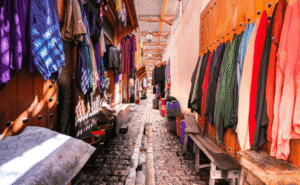
Your Complete Morocco Travel Guide: Must-Visit Destinations
Morocco is full of unique experiences. It has many places you must see. As you explore, you’ll find a mix of old and new attractions for everyone.
Marrakech: The Red City
Marrakech is a city of old traditions and new life. Our Morocco Travel Guide recommends exploring Jemaa el-Fnaa, the Medina, and the Majorelle Garden to experience both history and modern charm.
- Jemaa el-Fnaa, a lively square with street acts and vendors
- The Medina, a historic area with narrow streets and markets
Jemaa el-Fnaa and the Medina
Jemaa el-Fnaa is a key spot, full of life with snake charmers and food. The Medina has hidden spots like riads and local crafts.
Majorelle Garden and Modern Marrakech
Marrakech also has modern spots like Majorelle Garden. It’s a beautiful garden by French artist Jacques Majorelle. You can also see modern art and enjoy luxury.

Fes: The Cultural Capital
Fes is Morocco’s cultural heart and spiritual center. This Morocco Travel Guide suggests discovering the Al-Attarine Madrasa and the Dar Batha Museum to experience its spiritual atmosphere. The city is also a UNESCO World Heritage site. You can see:
- Al-Attarine Madrasa, a historic Islamic school
- Dar Batha Museum, with traditional crafts
Fes is a special place with old traditions and spiritual vibes.
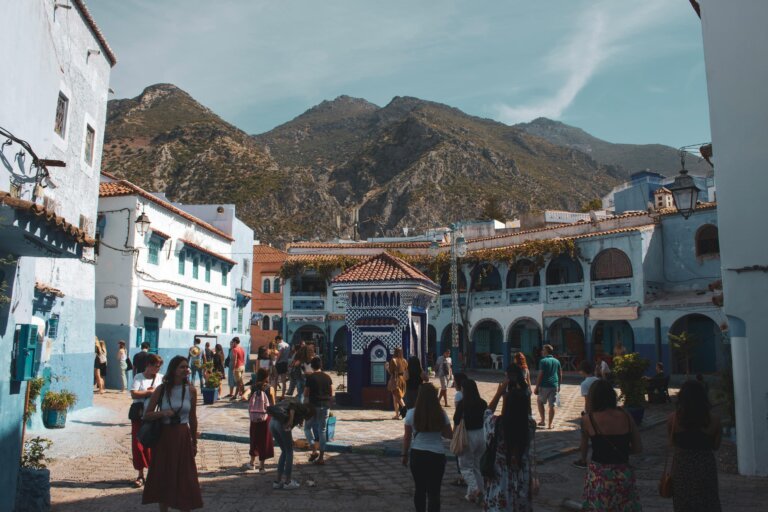
Chefchaouen: The Blue Pearl
Chefchaouen is a beautiful town in the Rif Mountains. It’s known as the “Blue Pearl.” You can enjoy:
- The blue buildings and streets, a lovely view
- Hiking and trekking in the mountains
Chefchaouen is perfect for those who love nature and calm.
Exploring Morocco’s Imperial Cities
As you explore Morocco, you’ll find the Imperial Cities. These cities have amazed travelers for centuries. They show Morocco’s rich culture and stunning architecture.
Rabat: The Capital City
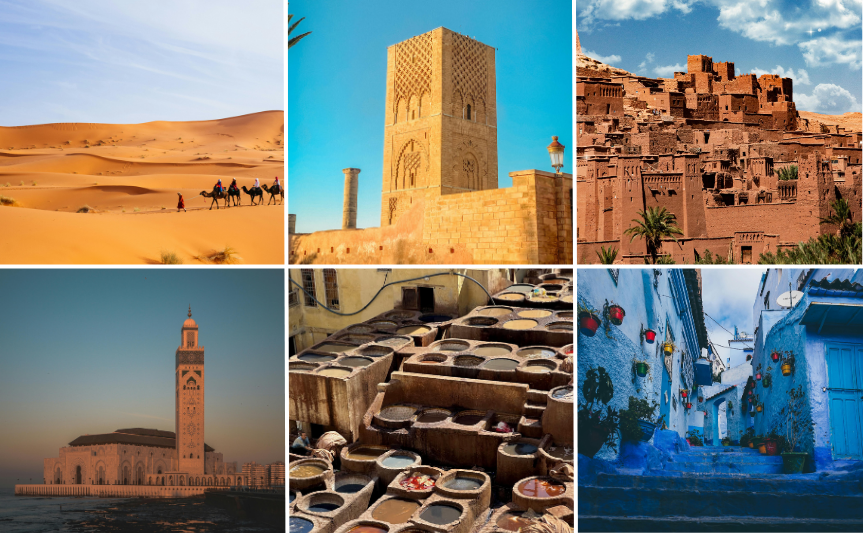
Rabat, Morocco’s capital, was named a UNESCO Heritage site in 2012. You can see the Kasbah of the Udayas, the Royal Palace, and the Hassan Tower. This tower stands tall over the city. Rabat mixes old and new cultures beautifully.
Meknes: The Imperial City
Meknes is another Imperial City in Morocco. It has many historical sites, like the Bab Mansour gate and the Mausoleum of Moulay Ismail. Walking through the ancient medina, you’ll feel the lively atmosphere and see local crafts.
Casablanca: The Economic Hub
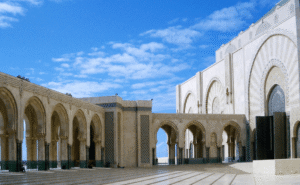
Casablanca, Morocco’s biggest city, is famous for its architecture and the Hassan II Mosque. This mosque is one of Africa’s largest. You can visit the mosque, explore the Old Medina, and see the city’s modern side.
Hassan II Mosque
The Hassan II Mosque is a marvel of Moroccan design. It has detailed stone carvings and beautiful tiles. Taking a guided tour, you’ll learn about its history and importance.
Modern Casablanca
Modern Casablanca is full of contrasts. You’ll see modern skyscrapers and trendy shops next to old souks and landmarks. Enjoy the nightlife, try local food, and find unique gifts.
Adventures in the Moroccan Landscape
From the Sahara’s dunes to the Atlas’ peaks, Morocco is full of adventures. You can trek mountains, explore deserts, or relax by the coast. There’s something for every traveler, This Morocco Travel Guide helps you plan camel treks across Erg Chebbi dunes and unforgettable nights in Berber camps.
Sahara Desert Experiences
No trip to Morocco is complete without the Sahara Desert. You can go on a camel trek and sleep under the stars in a Berber camp.
Camel Treks and Desert Camps
Imagine riding a camel across golden dunes as the sun sets. You’ll reach a desert camp for traditional Moroccan food and star-gazing.
Merzouga and Erg Chebbi Dunes
Merzouga and its Erg Chebbi dunes are a Sahara highlight. Take a guided tour to see the dunes and enjoy the desert’s calm.
Atlas Mountains Trekking
The Atlas Mountains offer trekking through Berber villages and stunning views. You can hike or bike, enjoying the air and scenery.
Coastal Escapes in Essaouira and Agadir
After adventures, relax on Morocco’s coast. Essaouira has a charming medina and arts scene. Agadir offers beaches and golf, a laid-back vibe.
Morocco has adventures for all. Its culture, beauty, and hospitality make it unforgettable. Morocco leaves you with memories you’ll always treasure.
Accommodation Options Across Morocco
Morocco has something for everyone, from budget-friendly hostels to luxurious resorts. The country offers a wide range of places to stay. You can choose from traditional riads to modern luxury resorts.
Traditional Riads and Dars
Stay in traditional riads and dars for a taste of Moroccan hospitality. These homes are known for their beautiful interiors and peaceful courtyards. They give you a peek into Morocco’s rich culture.
Relax in the calm of these traditional homes. It’s like stepping into a different world.
Luxury Resorts and Hotels
For a luxurious stay, Morocco has many high-end resorts and hotels. These places offer top-notch amenities like spas and fine dining. You’ll enjoy great service and comfort.
Budget-Friendly Stays and Hostels
Travelers on a tight budget will find many affordable options in Morocco. You can choose from cozy guesthouses to social hostels. It’s a great way to meet people and enjoy the local culture while saving money.
Immersing in Moroccan Culture
Exploring Moroccan culture is an experience you won’t forget. You’ll see a mix of traditions, customs, and art. It’s a journey that creates lasting memories.
Traditional Customs and Etiquette
When you visit Morocco, it’s important to respect local customs. Learn about cultural norms, like dressing modestly and getting permission for photos. It’s rude to refuse food or drinks from locals.
By being respectful and open, you’ll find a warm welcome. This makes your visit even more special.
Festivals and Celebrations
Morocco’s festivals are a big part of its culture. The Mawazine Festival in Rabat and the Marrakech Popular Arts Festival are highlights. These events show off Morocco’s music, art, and traditions.
Attending or watching these festivals gives you essential Morocco travel advice. You’ll learn about the local way of life.
Arts, Crafts, and Music
Moroccan crafts and music are famous for their beauty. Marrakech’s souks and Fes’s workshops offer a glimpse into traditional crafts. You’ll see woodwork, pottery, and textiles.
Music in Morocco reflects its diverse influences. It’s a big part of the culture.
Berber Influences
The Berber community has shaped Morocco’s culture. Their traditions, music, and crafts add to the country’s richness.
Islamic Artistic Traditions
Islamic art has greatly influenced Morocco. You’ll see beautiful geometric patterns and zellij tile work. These add to Morocco’s unique charm.
Embracing Moroccan culture deepens your understanding of the country and its people. For moroccan cuisine recommendations and more travel tips, keep exploring with an open heart and mind.
Moroccan Cuisine: A Culinary Journey
In Morocco, food is more than just food. It connects you to the culture, history, and people. As you explore this vibrant country, you’ll find a culinary world that’s both diverse and delicious.
Essential Dishes to Try
Moroccan cuisine has many mouth-watering dishes you won’t want to miss. Some must-try dishes include:
- Tagines: slow-cooked stews cooked in earthenware pots.
- Couscous: a traditional dish made from semolina flour, often with vegetables and meat.
Tagines and Couscous
Tagines are a key part of Moroccan cuisine, with rich and aromatic flavors. Couscous is versatile, enjoyed in many ways, from simple vegetable dishes to meat and vegetable mixes.
Moroccan pastries and desserts are a sweet delight. They often include almonds, honey, and rose water. Try baklava and ma’amoul for a sweet treat.
Street Food Adventures
Street food is a great way to experience Moroccan cuisine. You’ll find grilled meats and fresh juices, showing the country’s culinary variety.
Dining Etiquette and Tips
When dining in Morocco, remember local customs and etiquette. Always eat with your right hand, as using your left is considered rude. Also, try a little of everything on your plate. This shows you appreciate the food and company.
Practical Tips for Your Moroccan Journey
To enjoy Morocco fully, knowing some key travel tips is essential. Morocco is rich in culture and landscapes, perfect for exploration and adventure.
Safety Advice for Travelers
Morocco is safe for tourists, but precautions are wise. Keep an eye on your belongings, mainly in crowded spots and markets. Don’t travel alone at night and use safe taxi services or apps.
Money Matters: Currency and Budgeting
The local money is the Moroccan dirham. Credit cards work in big cities, but cash is better in small towns and markets. Plan your spending for activities and remember to haggle at markets.
Responsible Tourism in Morocco
Traveling responsibly can positively impact Morocco. With its varied ecosystems and cultural richness, Morocco is a special place.
Cultural Sensitivities
Morocco is conservative. Dress modestly, like when visiting mosques or rural spots. Always respect local customs and behave well in public.
Environmental Considerations
Morocco needs help with environmental issues. Use less plastic, choose eco-friendly tours, and protect wildlife and nature. Your choices help keep Morocco beautiful for others.
Conclusion: Embracing the Magic of Morocco
Exploring Morocco opens a world of vibrant colors, rich textures, and warm hospitality. You’ll see diverse landscapes, from the Sahara Desert to the Atlas Mountains. This guide has given you the tools to navigate this enchanting country.
Morocco is a welcoming place, where friendly faces and colorful buildings surround you. By embracing local customs, you’ll feel at home. Whether in Marrakech’s souks or Essaouira’s coast, Morocco has something for everyone.
Remember to be open-minded, respectful, and curious on your Moroccan journey. With this attitude, you’ll discover Morocco’s true magic and make lasting memories. So, pack your bags, grab your guide, and get ready for an unforgettable adventure.